
Quality is providing services or products that are not inferior, meets and exceeds the required standards, and fits the purpose. Quality has two terms; Quality Control and Quality Assurance. Although the two terms seem similar, they mean different things that we shall explain below.
What is Quality Assurance?
Quality Assurance pertains to implementing proactive measures to prevent problems from occurring either at the receipt of raw materials, during processing and final product. In Quality assurance, one considers the problems that the nature of the food could create, raw materials used, processing aids and the processes that the food product goes through and then put in measures to mitigate the risks. In other words, the processes implemented assure the expected output.
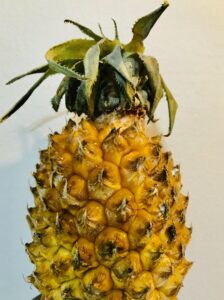
We are going to use pineapple fruit as an example. The pineapple’s physical and chemical characteristics would include things like the size of the fruit, sugar content, nutritional value, and cultivar. In contrast, its microbiological characteristics would include yeasts and moulds, which are reasonably expected to cause spoilage on the fruit. If you understand the properties of pineapples, you would immediately determine that pathogens may not be your biggest concern. Organoleptic properties may include things such as taste, texture, smell and colour.
What to consider when appointing quality assurance personnel?
Persons involved in drawing or creating a quality assurance plan need to be:
- Familiar with the process they are trying to control. For example, a process of making dried pineapples is different from the process of making cheese. The risks associated with fruit are very different from those associated with milk, and therefore your quality assurance plans must take that into account. It is also important to note the role of suppliers, product origin, processing aids, additives, preservatives and packaging material on the risk profile of your provide. Once one understands these fundamental points, they would draw up a good quality assurance plan that encompasses all risks reasonably expected to occur.
- Be familiar with the product characteristics, which may include the following:
2.1 Physical and chemical characteristics of the product
2.2. Microbiological characteristics
2.3 Organoleptic properties
What is Quality Control ?
Quality Control, on the other side, is concerned with making interventions to prevent problems, detecting problems, and monitoring processes already implemented. This is done to detect any potential loopholes or to identify areas of improvements by continuously looking for weaknesses to improve and ensure the output meets the required standards as it goes through processing. In essence, one could perhaps conclude that quality control considers problem identification to be immediately addressed.
Quality control is based on the inspection with the intended objection to detect and take out defects. To do effective quality control, one would do sampling to determine the overall quality of the product. Quality control should be done throughout the process from receiving raw materials until final product dispatch. It is critical because it ensures that a substandard product does not reach the consumer.
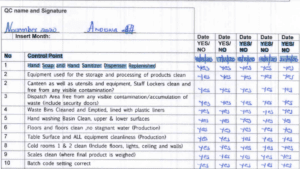
It is important that quality control standards are applied consistently and based on validated measures.
Let us make an example of the pineapple fruit when making dried fruits. You would do quality control through inspection when receiving the pineapple fruits from the farm or grower, inspect sings of injury and spoilage before it goes for the process, inspect the product while in production to check whether it is prepared according to the correct specifications before further processing, then inspect the final product before it leaves the factory. You must not only test the product at the end but also during processing as well. If this is not done, it can be costly to the company because once the final product has been made, it can be very difficult to undo the damage.

Things to consider when appointing quality control inspectors
The two most important things to consider when allocating people as quality controllers.
- They must be reliable and consistent. All persons conducting inspections must be reliable and consistent. It does not help to have them doing inspections at inconsistent degrees because the outcome will not be the same.
- They must be assertive, literate and proactive. People who conduct inspections must stand their ground when the inspections show that the expected quality standards are not being met. They should be able to read and interpret data to report on. If needed, they should implement necessary corrective actions to prevent an inferior product from reaching the end consumer. It is prudent that quality controllers receive continuous on the job training.
Conclusion
There is a clear difference between quality assurance and quality control. Depending on the size of food business, it is important to allocate these roles correctly and ensure there is sufficient staff performing each role. Good quality control and assurance are invaluable to any company.
Related Articles
Check out our other related articles for more tips!
Key facts
- Quality assurance (QA) is about implementing proactive measures to prevent problems from occurring at raw material receipt, during processing, and in the final product.
- Quality control (QC) focuses on inspection, sampling, and monitoring to detect and remove defects so substandard products do not reach the consumer.
- QA personnel must understand the process and the product's physical, chemical, microbiological, and organoleptic characteristics; QC personnel must be reliable, assertive, and able to interpret data and apply corrective actions.
- Quality control should be applied throughout the process, from receiving raw materials to final product dispatch, not only tested at the end.
- Using dried pineapples as an example, understanding product properties (size, sugar content, yeasts, molds) shows spoilage may be a bigger concern than pathogens.
- Businesses should allocate QA and QC roles correctly and ensure enough staff perform each, as both are invaluable to any company.
Frequently asked questions
What is the difference between quality assurance and quality control?
Quality assurance (QA) is proactive: it implements measures to prevent problems from occurring at raw material receipt, during processing, and in the final product. Quality control (QC) is inspection-based: it detects and removes defects through sampling and monitoring so a substandard product does not reach the consumer. In short, QA prevents problems while QC finds them.
What does quality mean in a food safety context?
According to the article, quality means providing services or products that are not inferior, that meet and exceed the required standards, and that are fit for purpose. It is the standard both quality assurance and quality control work to protect throughout the production process.
What skills should quality assurance and quality control staff have?
QA personnel must be familiar with the specific process being controlled and understand the product's physical, chemical, microbiological, and organoleptic characteristics, because different products carry different risks. QC personnel must be reliable and consistent in inspections, and also assertive, literate, and proactive so they can stand firm on standards, interpret data, and implement corrective actions.
When should quality control checks be carried out during processing?
Quality control should be applied throughout the entire process, from receiving raw materials until final product dispatch. The article stresses that you must not only test the product at the end but also during processing, so problems are caught early and costly damage is avoided.
How can a food business apply QA and QC correctly?
Depending on the size of the food business, it is important to allocate the quality assurance and quality control roles correctly and ensure there is sufficient staff performing each role. The article notes that good quality control and assurance are invaluable to any company.
Excellent advice! I appreciate you sharing this blog. eager for more inspiration.
We are glad you found it helpful! What topics would you like to see covered in the future?