
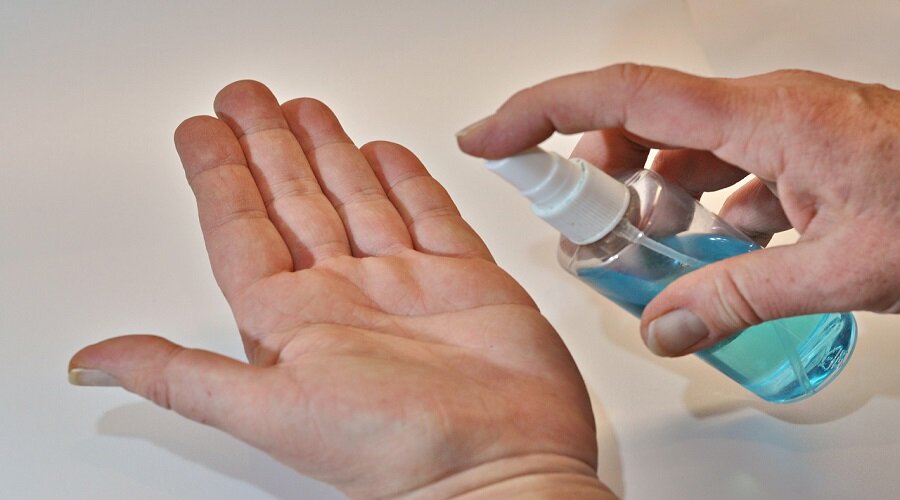
COVID-19 has introduced a new style of living where each person must take responsibility for their own health and hygiene. These days you hardly find someone who has not heard of the word “sanitising”, “disinfection” or “sterilisation”.
Hand sanitisers are flying off the shelves and at some point, some retailers ran out of stock! Normally these words are being used interchangeably yet they mean different things. Everyone wants to sanitise their hands and disinfect surfaces in order to limit the spread of COVID-19.
Sanitising vs Disinfecting
However, what exactly does do the terms sanitising and disinfecting mean?
Basically, sanitising simply means eliminating germs or “reducing the number of germs to at least 99.99%”. While a sanitiser reduces the number of germs to at least 99.99% a disinfectant aims to kill almost 100% of germs present on a surface. Although there doesn’t appear to be much difference, there is, as these two terms can determine the difference between eliminating a serious infection or not.
In most instances, you would not normally use a disinfectant but mainly a sanitiser. For example, you would use a sanitiser for your hands and then usually use a disinfectant for toilets seats or clean surfaces in clinics. Thus most of the alcohol-based hand sanitisers kill almost 99.99% of harmful germs whereas households’ bleaches contain chemical solutions such as sodium hypochlorite that kill almost 99.9999% of harmful germs.
Sterilisation
Then there is the term “sterilisation”. If you see this term being branded by companies doing disinfection, be careful!
Sterilisation is a serious business. While sanitising and disinfection mainly target germs that one would regard as harmful, sterilisation KILLS everything. It basically wipes out all the germs. Thus if you are informed that a surface is sterile you would not expect to see any germs on that surface.
For example, humans have thousands of germs on our skin, many of which are important for our survival. If a person claims that they can give you something to sterilise your hands, you should avoid this totally. The chemicals would simply be too strong to apply to your hands, they would kill everything both the good and harmful germs.
Example of a Sterilisation Method
In the food industry, for instance, heating milk at 130°C for 30 seconds is sterilisation. It is done to kill all the germs that could be present so that the milk can be kept for a long time at normal room temperature without spoilage. So imagine how strong the chemical concentration or heat would need to be to endure having your hands sterilised.
Conclusion
As consumers, we must be well informed about these differences so that unscrupulous companies do not take advantage of us in providing incorrect products. It is our duty to seek information and ensure that we do not fall prey to the scams that have been reported in the media. This is why understanding this type of critical information is important.
Related Articles
Check out our other related articles for more tips!


Key facts
- Sanitising means eliminating germs or reducing them to at least 99.99%, a lower threshold than disinfection.
- Disinfection aims to kill almost 100% of germs on a surface, a small but important step up from sanitising.
- Sterilisation kills everything and wipes out all germs, so any chemical strong enough to truly sterilise would be too strong to apply to your hands.
- Alcohol-based hand sanitisers kill almost 99.99% of harmful germs, while household bleaches with sodium hypochlorite kill almost 99.9999%.
- In food production, heating milk at 130 degrees Celsius for 30 seconds is an example of sterilisation.
- COVID-19 popularised these terms, so consumers should stay informed to avoid unscrupulous companies making false product claims.
Frequently asked questions
What is the difference between sanitising and disinfecting?
Sanitising means eliminating germs or reducing them to at least 99.99%, while disinfection aims to kill almost 100% of germs on a surface. The difference may seem subtle, but according to the article it can determine whether a serious infection is eliminated or not. Disinfection therefore represents a higher level of microbial reduction than sanitising.
What does sterilisation actually mean?
Sterilisation kills everything and basically wipes out all the germs, making it fundamentally stronger than sanitising or disinfecting. Because it is so powerful, any chemical strong enough to truly sterilise would be too strong to apply to your hands. This is why claims that a hand product sterilises should be treated with caution.
Can a hand sanitiser really sterilise your hands?
No. The article warns that a product strong enough to sterilise would contain chemicals too strong to apply to your hands, so genuine sterilisation of your skin is not what hand products do. Hand sanitisers are alcohol-based and kill almost 99.99% of harmful germs. Be wary of companies falsely claiming their products can sterilise.
How strong are common household products at killing germs?
Alcohol-based hand sanitisers kill almost 99.99% of harmful germs, while household bleaches containing sodium hypochlorite kill almost 99.9999% of harmful germs. This shows household bleach reaches a higher germ-kill level than a typical hand sanitiser. Each product is suited to its intended use, whether on hands or on surfaces.
What is an example of sterilisation in food production?
Heating milk at 130 degrees Celsius for 30 seconds is an example of sterilisation used in food production. This process is designed to kill all germs rather than just reduce them. It illustrates how sterilisation differs from the lower thresholds of sanitising and disinfection.
Why should consumers understand these differences?
COVID-19 led to widespread use of sanitising, disinfecting and sterilising products and terms, which created room for misleading claims. The article urges consumers to be well informed about the differences so that unscrupulous companies cannot take advantage of them. Knowing what each term really means helps you avoid fraudulent product claims.