
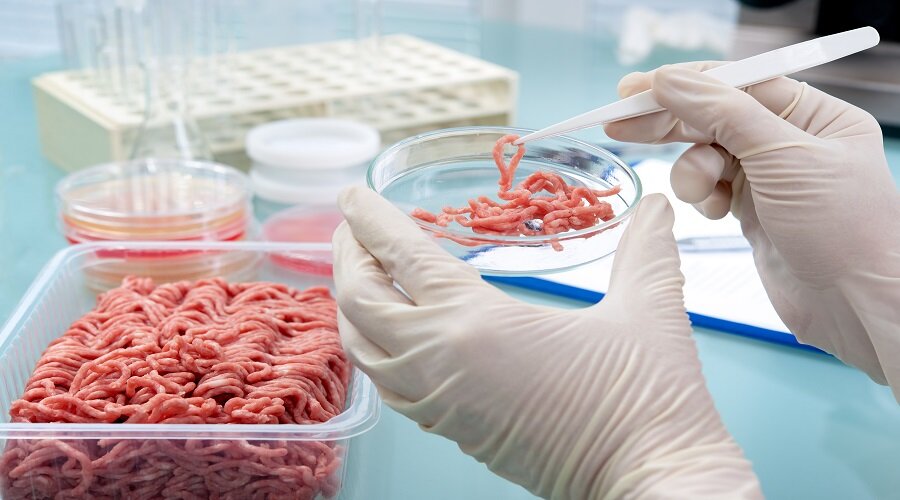
Our family loves traditional gatherings celebrated around overloaded lunch tables with every imaginable dish prepared and shared to suit our individual tastes, including my niece’s latest vegan obsession running in tandem to her allergy to peanuts.
A recent food poisoning catastrophe which nearly ended in a family fatality brought my relationship to food safety sharply into focus. It took me on a journey of discovery in food safety throughout the processing and manufacturing food chain.
I discovered that we all share a great responsibility towards food safety, especially during the packaging, transportation, storage, cleaning, preparation, cooking, and food serving.
Top 10 Benefits
Why do we have food safety regulations? Let’s look at some persuasive answers:
1. Benefits a Country’s Rule of Law
Setting food safety standards and regulations for the benefit of the food industry and its consumers ensures industry compliance and provides recourse to the rule of law should a disaster occur. The 1996 outbreak of Mad Cow Disease in England and its human contracted variant Creutzfeldt-Jakob disease still plagues the UK blood donor supply industry today.
2. Prevention of Disease and Death
Food poisoning and other foodborne contamination of bacterial, viral or parasitic agents can lead to gastroenteritis, dehydration and other more serious health problems such as kidney failure and death. No one wants to put our life at risk every time we lift a fork or spoon to our mouth.
3. Prevents Food Contamination
Humans can get sick from food that is not processed under strict food safety regulations. For example, Escherichia coli (E. coli) can be caused by beef contaminated with faeces during slaughter, unpasteurised milk and apple cider, alfalfa sprouts and contaminated water.
4. Benefits Industry Standards
Food safety regulations are required to be standardised for compliance throughout each step of the food chain from production, storage and distribution, to sale and service of the consumer and must include regulations for receiving, re-packing, food storage, preparation and cooking, cooling and re-heating, displaying products, handling products when serving customers, packaging, cleaning and sanitising, pest control, transport and delivery.
5. Informed Behaviours and Decisions
Not only processes must be managed for food safety regulation, but people must also be managed for teamwork and efficiency too. For example, issues occur when restaurants try to minimise food wastage, or a large shopping centre puts refrozen chicken onto the shelves.
6. Benefits the Transportation Industry
Proper food storage delivers the best food quality by retaining flavour, colour, texture and nutrients and reduces the onset of food-borne bacteria. It is also impacted by the time required to move it from the farm, to shop, to our homes and depends whether food is perishable (meat, eggs, fruit, vegetables), semi-perishable (grains, dry mixes) or non-perishable (sugar, canned goods) and how they are handled and transported.
7. Benefits the Packaging Industry
Packaging is not only about appealing design so the consumer will make a purchasing decision. It protects food products from physical damage, minimises food waste, reduces the amount of preservatives used in food and provides labelling for nutritional and allergy information and the products ‘sell-by’ date.
8. Manage Correct Food Storage
Food poisoning bacteria multiply at pace when high-risk foods are not maintained at temperatures below 5 °C or above 60 °C or when raw and cooked foods are not stored separately. Multiple factors can impact this principle, including national energy disruptions to refrigeration supply as outlined by ASC Solutions and where there are inadequate backup systems in place.
9. Control of Food Preparation
Food safety can be compromised just by one person, not correctly washing their hands after using the toilet or not cleaning their workstation adequately. Regular monitoring of food safety regulations of manufacturers, processors and packagers ensures against disasters occurring such as the deadly listeriosis outbreak reported by News 24 that killed more than 180 South Africans in 2018 from contaminated processed meats by one of South Africa’s largest packaged foods company.
10. Benefit the Management of Our Daily Health
Management of food processing staff is vital to bring education, understanding of quality standards, and reducing risk to our daily health. As the world becomes more informed about food safety so a population’s health and longevity increase, decreasing operating costs within the medical industry.
Written by Mercédes Westbrook
Related Articles
Check out our other related articles for more tips!

Key facts
- Food safety regulations strengthen a country's rule of law by setting compliance frameworks and legal recourse, as shown by the 1996 Mad Cow Disease outbreak in England.
- Regulations prevent foodborne disease and death by controlling bacterial, viral and parasitic contamination that can cause outcomes as severe as kidney failure.
- Standardised rules across the whole food chain cover receiving, storage, preparation, cooling, packaging, pest control and transport.
- Correct food storage matters because food-poisoning bacteria multiply rapidly when high-risk foods are not kept below 5 degrees C or above 60 degrees C.
- The article cites the 2018 South African listeriosis outbreak, which killed over 180 people from contaminated processed meats, to show how preparation lapses cost lives.
- Food safety is a shared responsibility across the food chain, and greater public awareness improves longevity and lowers medical costs.
Frequently asked questions
What are the main benefits of food safety regulations?
Food safety regulations deliver ten key benefits: they strengthen a country's rule of law, prevent disease and death, prevent food contamination, set industry standards, promote informed behaviour, and benefit the transportation, packaging, storage, preparation and daily-health management aspects of the food chain. Together these protect consumers from foodborne illness and support public health. The article frames these benefits as spanning the entire supply chain from processing to serving.
Why is correct food storage temperature important?
Correct temperature is critical because food-poisoning bacteria multiply quickly when high-risk foods are not kept below 5 degrees C or above 60 degrees C. Storing raw and cooked foods together also raises contamination risk. Proper storage maintains food quality and slows bacterial growth.
How do food safety regulations relate to the 2018 South African listeriosis outbreak?
The article cites the 2018 South African listeriosis outbreak as an example of how lapses in food preparation and hygiene can be deadly. The outbreak killed over 180 people from contaminated processed meats. It illustrates why control of food preparation and individual hygiene are essential parts of food safety.
Who is responsible for food safety across the supply chain?
Food safety is a shared responsibility across the entire food chain, from production through to consumer service. Regulations must be standardised across every stage, including receiving, storage, preparation, cooling, packaging, pest control and transport. Management systems address both processes and the people carrying them out.
Can food safety regulations improve public health and reduce costs?
Yes. According to the article, staff education reduces health risks and population-wide food safety awareness increases longevity while decreasing medical costs. Greater awareness across the food chain correlates with improved public health outcomes.
What foodborne pathogens do regulations help control?
Regulations help prevent illnesses from pathogens such as E. coli, which can contaminate beef, unpasteurized milk, apple cider and sprouts. More broadly, they address bacterial, viral and parasitic agents that cause food poisoning, with consequences as serious as kidney failure and death.
Am really impressed with this very article.
Hi Abubakar,
We are glad you enjoyed the article.
ASC Consultants
The information provided here is straight forward and very informative.
I was given an assignment to write about ‘The impact of microbial food regulations on food safety’, looked up several websites to gain insights on the topic but none was that helpful (simple and straight forward).
Thanks again for the good content. It is very helpful.
Hi Jennifer,
We are very happy to hear that the article was helpful. Thank you for the feedback. It is much appreciated.
ASC Consultants
I visit day-to-day a few web sites and information sites to read content,
except this weblog offers quality based content.
Thank you very much for the great feedback. It is much appreciated.
Have a great day!
ASC Consultants