 Biological Food Safety Hazards
20 Tips to Avoid and Prevent Food Poisoning
Nearly everyone gets food poisoning at least once in their lifetime. Here are 20 handy tips to avoid and prevent food poisoning. These tips...
ASC Food Safety Consultants
Leading with Science. Ensuring Food Safety.
Explore authoritative articles from ASC Food Safety Consultants covering food safety, HACCP, FSSC 22000, ISO 22000, food hygiene, food law, foodborne illness, environmental health, auditing, compliance and public health in South Africa. This premium archive helps readers, businesses, regulators and food sector teams find practical and current content quickly.
Biological Food Safety Hazards
Nearly everyone gets food poisoning at least once in their lifetime. Here are 20 handy tips to avoid and prevent food poisoning. These tips...
 FOOD SAFETY AND QUALITY PRACTICES
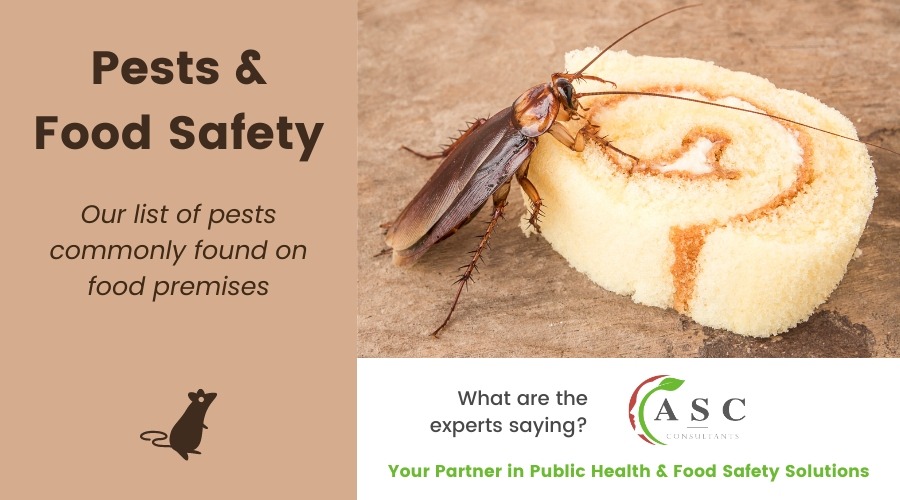
Preventing pests in food facilities is critical to ensuring the safety and quality of food products. Pests can easily contaminate food with bacteria and...
 Biological Food Safety Hazards
What is Listeria? Listeria monocytogenes (L. monocytogenes) is a bacterium that can cause a serious infection in humans called Listeriosis. Listeria monocytogenes is commonly...
 FOOD SAFETY AND QUALITY PRACTICES
Food Safety is critical to human health and well-being and inadequate Food Safety practices in a food handling enterprise can compromise the consumer’s health....
ASC Food Safety Consultants supports businesses across South Africa with food safety consulting, HACCP support, auditing, hygiene audits, FSMS implementation, compliance guidance, training and public health expertise.
The ASC Food Safety blog publishes articles on food safety, HACCP, ISO 22000, FSSC 22000, food hygiene, auditing, food law, public health and compliance in South Africa. It is for food business owners, QA and QC professionals, food handlers and students who want practical, current guidance from accredited food safety experts. Updated regularly by ASC Food Safety Consultants. Read the latest articles to stay informed and compliant.
The South African food safety blog covers HACCP, ISO 22000, FSSC 22000, BRCGS, GLOBALG.A.P., food hygiene, internal and supplier auditing, food law and Regulation R638, public health, environmental health and broader compliance topics. Articles translate standards and legislation into practical guidance for food businesses, QA teams and food handlers working in the South African food industry.
Yes. All blog articles are free to read. The blog is part of ASC Food Safety Consultants' free resources, designed to help food businesses, professionals and students stay informed about food safety best practice, standards updates and compliance requirements in South Africa, without any subscription or payment.
ASC publishes new food safety articles regularly, covering standards updates, regulatory changes, seasonal hygiene risks and practical how-to guidance. Following the blog is a useful way for South African food businesses and QA professionals to keep up with developments in HACCP, FSSC 22000, ISO 22000 and food law, and to pick up actionable tips between formal training.
Articles are written by ASC Food Safety Consultants' team of food safety specialists, auditors and trainers, drawing on hands-on experience implementing HACCP, ISO 22000, FSSC 22000 and BRCGS systems across South Africa. This means the content reflects current standards and real-world implementation challenges faced by local food businesses, not just theory.
The blog is a helpful starting point for understanding standards such as FSSC 22000, ISO 22000 and BRCGS and what certification involves. For full preparation, combine it with ASC's accredited training, editable FSMS document toolkits and consulting support, which provide the structured guidance and documentation needed to achieve audit and certification readiness in South Africa.
Yes. The blog regularly addresses South African food safety legislation, including Regulation R638 governing general hygiene requirements for food premises, agricultural product standards and meat safety law. Articles explain what these requirements mean in practice for food handlers, persons in charge and food businesses, helping readers understand and meet their legal obligations.