
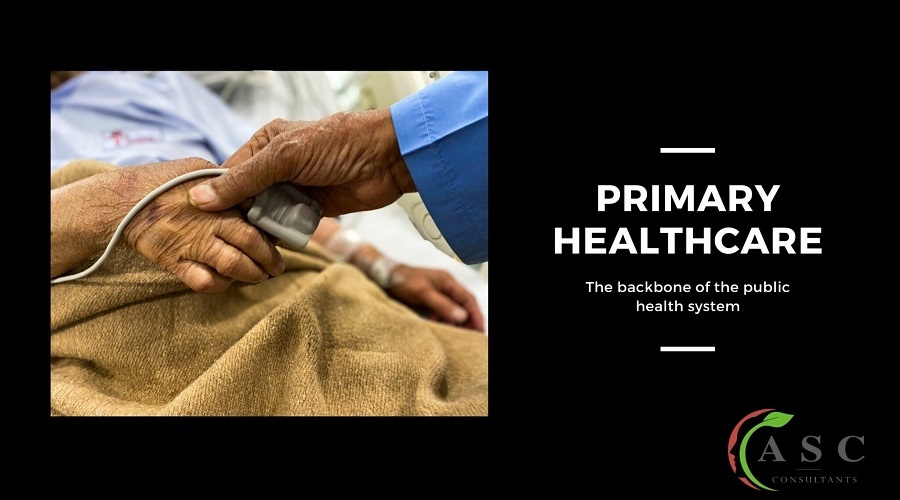
Primary health care is the first contact that communities make with the country’s national health system. It is the first constituent of the health care system. Primary healthcare is meant to facilitate health care provision as close as possible to where communities are.
The main focus areas of primary healthcare are;
- health promotion,
- collaboration with communities and
- preventive care.
This is done to prevent otherwise controllable diseases or disorders developing into serious illnesses that could have long-lasting impacts on the individual’s health, thereby causing a burden to the entire health care system.
Besides, it ensures efficient, high quality, appropriate universal access to health care services to the general populace while considering communities’ overall socio-economic standing.
Primary healthcare also places a lot of emphasis on Health Education to educate people of disease or disorder prevention.
Health education is the provision of different learning methods developed to ensure that people adopt behaviour beneficial to their health.
An example of an effective health education programme is the roll-out of programmes using different media outlets to educate people on the importance of handwashing to prevent the spread of COVID-19. Health education considers the targeted audience literacy levels, various learning tools, and different mediums that could be used to send out the message. Health education about the importance of washing hands with soap and water has been a critical strategy to combat COVID-19.
The emphasis of primary health care on health education, inter-sectoral relationships and collaboration with communities and community organisations ensures its notable success and effectiveness. Therefore, it must be functional because it forms a core of the country’s public health system.
Written by: Mthokozisi Nkosi (CEO of ASC Food Safety Consultants and Public Health scholar & Consultant)
Related Articles
Check out our other related articles for more tips!


Key facts
- Primary healthcare is the first contact communities make with the country's national health system and the first constituent of the health care system.
- Its three main focus areas are health promotion, collaboration with communities, and preventive care.
- It aims to stop otherwise controllable diseases or disorders from developing into serious illnesses that burden the wider health care system.
- It works to provide efficient, high-quality, universal access to health services while considering communities' overall socio-economic standing.
- Health education means learning methods that help people adopt behaviour beneficial to their health, tailored to the audience's literacy levels, learning tools and mediums.
- Its success rests on health education, inter-sectoral relationships, and collaboration with communities and community organisations, with handwashing education during COVID-19 given as an example.
Frequently asked questions
What is primary healthcare?
Primary healthcare is the first contact that communities make with the country's national health system, and the first constituent of the health care system. It centres on health promotion, collaboration with communities, and preventive care. Its purpose is to reach people early and keep minor, controllable health problems from becoming serious.
Why is primary healthcare important to a country's health system?
Primary healthcare is important because it prevents otherwise controllable diseases or disorders from developing into serious illnesses that could have long-lasting effects on the individual and burden the entire health care system. It also ensures efficient, high-quality, universal access to health services while considering communities' overall socio-economic standing. By catching problems early and focusing on prevention, it supports the whole health system.
What are the main focus areas of primary healthcare?
The main focus areas of primary healthcare are health promotion, collaboration with communities, and preventive care. Together these emphasise keeping people healthy and preventing illness rather than only treating disease. This preventive, community-focused approach is what makes primary healthcare integral to the health system.
What is health education in primary healthcare?
Health education is the provision of different learning methods developed to ensure that people adopt behaviour beneficial to their health. Effective health education considers the targeted audience's literacy levels, various learning tools, and different mediums. Teaching people to wash their hands with soap and water, for example, was a critical strategy to combat COVID-19.
What makes primary healthcare successful?
According to the article, primary healthcare's success rests on its emphasis on health education, inter-sectoral relationships, and collaboration with communities and community organisations. Working across sectors and directly with communities helps health messages and services reach people effectively. This combination is credited with the notable success of primary healthcare.