

Food safety is a topic that we all think about from time to time. Whether it’s while we are doing our grocery shopping, picking out the best fruit and vegetables we can find, or whether it’s after an unpleasant experience while recovering from food poisoning.
However, thinking about food safety from the perspective of consumer protection is possibly a topic that is not often pondered. For instance, as society progresses to one that encourages healthier foods and diets, we are showered with information on the health benefits of certain foods. So our relationship with food becomes consumed with how it will benefit our lifestyle.
Another important factor to consider is if we are legally protected from the food we consume. As our food’s safety not only contributes to our balanced diets and daily intake requirements, it is important to understand the relevance of the Consumer Protection Act in this industry.
Consider a situation where you order lunch from your office canteen. You are required to avoid tree nuts as you have a severe allergy that can put your life at risk if consumed. You order a pre-prepared lunch that includes peanuts; however, there is no label on your food packaging, stating this. The consequences of this are life-threatening both to your health and the health of another individual that may end up in the same situation. Enter The Consumer Protection Act!
The role of The Consumer Protection Act
The Consumer Protection Act’s primary purpose is to ensure that consumers are given equal and fair rights within any consumer industry. The protections under this act are widespread and are included in all trades. Moreover, consumers are given the right to lodge complaints against companies. These rights include being provided with accurate product marketing, quality products, and services.
Consumers further hold the right to lodge complaints against industries ranging from skincare, electronics, and importantly, food. The relevance of The Consumer Protection Act in the food industry is particularly significant. It determines the quality of food that you receive, the safety of these foods, and the overall well-being for you and your family.
What Are Your Rights as a Consumer?
Lets first look at your right to quality products in the food industry. Consumer protection’s relevance ensures that the food you are provided with is fresh and properly labelled. This is of utmost importance as it determines whether the food that you eat is safe for consumption, whether based on specific food allergies or freshness to avoid food poisoning.
Secondly, the Consumer Protection Act’s relevance plays a substantial role in the safety of these foods. For instance, it is your right to be provided with non-toxic consumables. Foods that are not of organic origin or contain chemicals (particularly meats) are required to be adequately labelled so that you, the consumer, are aware of your purchase.
Lastly, the overall well-being of you and your family mainly comprises of the food that you consume. Non-fresh, poorly labelled products could produce detrimental effects on your health that can negatively impact your well-being.
What Does the Act Say About Consumer Complaints?
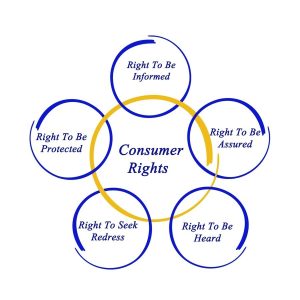
This brings upon another relevant function of The Consumer Protection Act: complaints. As a consumer, you have the right to lodge complaints with the Act based on your experience with a product.
It is also within your right to complain about any unfavourable experiences with a product. This can include complaints about the quality of food received based on inadequate labelling of expiration dates to falling ill due to consuming non-fresh foods.
Foods containing a high level of nutritional value are another aspect of The Consumer Protection Act’s relevance in the food industry, ensuring that you maintain a healthy, balanced diet.
Communications between trades and consumers additionally signify the relevance of the Act. An example of this communication includes a case of a listeriosis outbreak in South Africa in June 2018. The listeriosis outbreak resulted from food-borne bacteria found in animal products. The effects of the disease included vomiting, dehydration, and death. As a result of the outbreak, the companies involved in distributing the affected products were required to deliver communications addressing customers on the outbreak to reduce further contact with the disease.
Conclusion
Evidently, The Consumer Protection Act in the food industry holds critical relevance to the quality of food that you receive and the assurance of accurate labelling to promote your safety by preventing severe illness that can be life-threatening.
This Act also ensures that you can address your food safety concerns without the expenses of a legal team so that you can protect your consumables, as well as the consumables of other individuals and families.
Related Articles
Check out our other related articles for more tips!





Key facts
- The Consumer Protection Act of 2008 aims to give consumers equal and fair rights within the food industry.
- It supports the right to quality food that is fresh and properly labelled, and to non-toxic consumables.
- Foods that are not organic or that contain chemicals, particularly meats, must be adequately labelled so consumers know what they are buying.
- Accurate labelling of expiry dates and allergens such as peanuts helps consumers avoid food poisoning and allergic reactions.
- Consumers have the right to lodge complaints under the Act, addressing food safety concerns without the expense of a legal team.
- The article cites the June 2018 listeriosis outbreak in South Africa, caused by food-borne bacteria in animal products, as an example of why the Act matters.
Frequently asked questions
What is the purpose of the Consumer Protection Act of 2008 for the food industry?
Its primary purpose is to ensure consumers are given equal and fair rights within the food industry. In practice this means consumers are entitled to quality food that is fresh and properly labelled, accurate product marketing, and protection from unsafe consumables.
What consumer rights does the Act protect regarding food?
The Act supports the right to quality, fresh, properly labelled food and to non-toxic consumables. It also covers the right to accurate product marketing and the right to lodge complaints against companies about your experience with a product.
Why is food labelling important under the Act?
Labelling matters because it determines whether the food you eat is safe to consume, based on freshness, expiry dates and specific food allergies. Foods that are not of organic origin or contain chemicals, particularly meats, must be adequately labelled so you are aware of what you are purchasing, and allergens such as peanuts should be disclosed for at-risk consumers.
How does the Consumer Protection Act let me raise a food safety complaint?
As a consumer, you have the right to lodge complaints under the Act based on your experience with a product. This lets you address your food safety concerns without the expense of hiring a legal team.
How does the Act relate to the 2018 listeriosis outbreak in South Africa?
The article uses the June 2018 listeriosis outbreak in South Africa as an example of why the Act is relevant. The outbreak was caused by food-borne bacteria found in animal products, with symptoms including vomiting, dehydration and death, highlighting the need for companies to communicate with customers about affected products.