
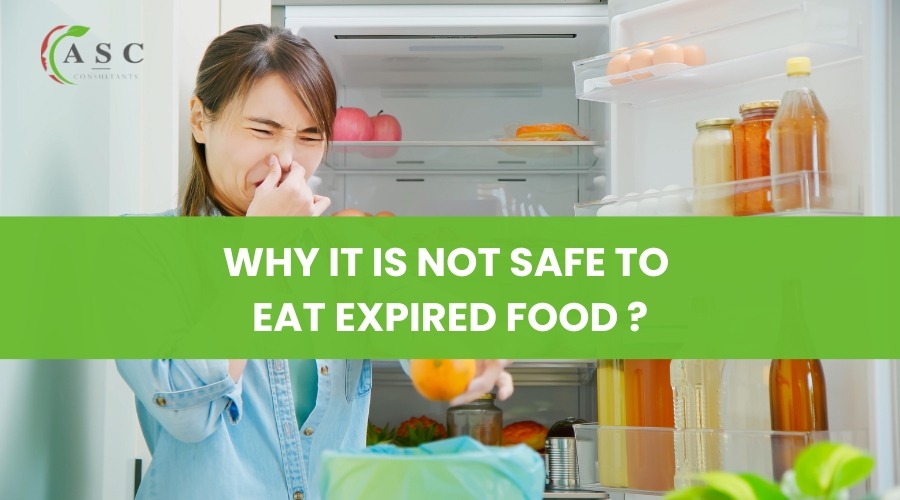
In our fast-paced world, it’s common to find expired food items lurking in the back of our pantries or refrigerators. However, consuming expired foods can pose serious health risks to you and your family.
What are Expired Foods?
Expired foods are food products that have passed their recommended or stated expiration date, which the manufacturer determines as the point after which the food may no longer be safe to consume. The expiration date is based on scientific testing determining when the food is at its safest and freshest.
After that date, the food may have poorer quality due to deteriorating properties of the food, grow harmful bacteria, or lose its nutritional value.
Consuming expired food can lead to food poisoning, which can cause symptoms such as nausea, vomiting, diarrhoea, and fever. In severe cases, it can even lead to hospitalisation or, unfortunately, death.
Why You Should Not Eat Expired Foods
- Expiry dates are not arbitrary; they are determined through rigorous scientific testing.
- Consuming expired foods can lead to food poisoning and other health complications.
- Foodborne illnesses caused by expired foods can have severe consequences, especially for vulnerable populations.
Scientific Basis for Expiry Dates
- Expiry dates are determined based on microbial growth, nutrient degradation, sensory changes, temperature control and the type of packaging used.
- Manufacturers conduct extensive testing to determine the optimal shelf life of their products.
- Microbial testing helps identify the growth of harmful bacteria that could cause foodborne illnesses.
Factors Influencing Shelf Life Calculation
- Product characteristics: Product characteristics also determine the shelf life of the food. Different foods have varying levels of moisture, pH, and nutrient content, affecting their susceptibility to spoilage.
- Packaging: Packaging also plays a crucial role. The type of packaging used can impact a food’s shelf life by influencing factors such as oxygen exposure, moisture control, and light transmission. Packaging materials act as a physical barrier, shielding food from physical damage, such as impact, crushing, or bruising, during handling and transportation. This helps to maintain the integrity of the product and prevent contamination.
- Storage: Storage conditions are fundamental due to their impact on food integrity. Temperature, humidity, and exposure to light can accelerate or slow down the deterioration of food products.
- Processing methods: Processing methods play a crucial role in extending the shelf life of food by inhibiting microbial growth, preserving nutrients, and maintaining product quality. The most common processing methods impacting food shelf life are pasteurisation, canning, freezing, fermentation, dehydration, and vacuum packaging.
Top 6 Processing Methods That Can Affect Shelf Life
Let’s look at the different processing methods that can affect the shelf life calculations of food products.
- Pasteurisation: Pasteurisation, where the food manufacturers use a heat treatment process, involves heating food to a specific temperature for a set period to kill or reduce harmful microorganisms. It is commonly used for dairy products, juices, and certain beverages, extending their shelf life while ensuring safety.
- Canning: Another method is canning, which involves sealing food in airtight containers and subjecting it to high heat to destroy microorganisms and enzymes that cause spoilage. The sealed environment prevents recontamination, allowing canned foods a long shelf life, sometimes even years.
- Freezing: Perhaps the one that is familiar to many of us, which we use in our homes, is freezing. Freezing is a widely used method to extend the shelf life of various foods. It involves lowering the temperature below the freezing point, which inhibits microbial growth and enzymatic activity. Freezing helps preserve the texture, flavour, and nutritional content of foods, making them safe to consume for an extended period.
- Dehydration: A fourth process is, dehydration, which removes water from food, creating an environment where microorganisms cannot grow. This method is commonly used for fruits, vegetables, and meats, allowing them to be stored for extended periods without spoiling. Dehydrated foods can be rehydrated when needed.
- Fermentation: A fifth process is Fermentation, which is a natural process that involves the conversion of sugars by microorganisms into alcohol, acids, or gases. This method not only enhances the flavour and texture of food but also increases its shelf life by creating an acidic or alcoholic environment that inhibits the growth of spoilage-causing bacteria.
- Packaging material: The last processing method is using proper packaging material. One example is vacuum packaging / sealing. Vacuum packaging removes air from the packaging, creating a low-oxygen environment that slows the growth of aerobic bacteria and fungi. This method helps preserve the quality and freshness of various food products, including meats and cheese.
3 Important Tips for Consumers
- “Best Before” vs. “Use By”: Understanding the difference between these labels is crucial in determining whether a food is safe to consume or should be discarded.
- Storage Guidelines: Proper storage practices, such as refrigeration or freezing, can help extend the shelf life of certain foods.
- Trusting Your Senses: While expiry dates provide a guideline, using your senses to assess food quality is essential. Signs of spoilage include unusual odours, texture changes, and mould growth.
Conclusion
Consuming expired foods is a risk that should not be taken lightly. Expiry dates are not arbitrary; they are based on scientific testing to ensure food safety. Following manufacturers’ guidelines and understanding the factors influencing shelf life calculation are crucial in protecting our health. By prioritising food safety and proper storage practices, we can reduce the risk of foodborne illnesses and promote a healthier lifestyle for ourselves and our communities. Remember, when in doubt, it’s better to be safe than sorry!
Related Articles
Check out our other related articles for more tips!


Key facts
- Expiry dates are set through rigorous scientific testing, not arbitrary decisions, marking the point after which food may no longer be safe to eat.
- Eating expired food can cause food poisoning with symptoms like nausea, vomiting, diarrhoea and fever, and in severe cases hospitalisation or death.
- Shelf life is calculated by examining microbial growth, nutrient degradation, sensory changes, temperature control and packaging type.
- Product characteristics, packaging, storage conditions and processing methods all influence how long a food stays safe and fresh.
- Processing methods such as pasteurisation, canning, freezing, dehydration, fermentation and vacuum packaging extend shelf life by inhibiting microbial growth.
- Consumers should understand 'Best Before' versus 'Use By' labels, store food properly, and trust their senses by checking for unusual odours, texture changes and mould.
Frequently asked questions
Why is it dangerous to eat expired food?
Eating expired food is dangerous because it can cause food poisoning and other health complications. After the expiration date, food may deteriorate in quality, grow harmful bacteria, or lose nutritional value. Symptoms of food poisoning include nausea, vomiting, diarrhoea and fever, and severe cases can lead to hospitalisation or death, especially in vulnerable people.
How are food expiry dates determined?
Expiry dates are determined through rigorous scientific testing rather than arbitrary decisions. Manufacturers examine factors such as microbial growth, nutrient degradation, sensory changes, temperature control and packaging type to establish an optimal shelf life. Microbial testing specifically identifies harmful bacteria that could cause foodborne illness.
What is the difference between 'Best Before' and 'Use By' dates?
Understanding the difference between 'Best Before' and 'Use By' labels is crucial for deciding whether food is safe or should be discarded. The article highlights this distinction as one of its key consumer tips, alongside following proper storage guidelines and trusting your senses to judge food safety.
What factors affect how long food stays safe to eat?
Four main factors affect a food's shelf life: product characteristics such as moisture, pH and nutrient content; packaging, which influences oxygen exposure, moisture and light; storage conditions like temperature, humidity and light exposure; and processing methods. Together these determine how quickly food deteriorates and how long it remains safe.
How do processing methods help food last longer?
Processing methods extend shelf life by inhibiting microbial growth, preserving nutrients and maintaining quality. The article describes six: pasteurisation, canning, freezing, dehydration, fermentation and vacuum packaging. For example, canning uses high heat in airtight containers to allow shelf lives of years, while dehydration removes water so microorganisms cannot grow.
Can I still eat food that looks fine after its expiry date?
While expiry dates provide important guidelines, the article advises using your senses as well. Signs of spoilage include unusual odours, texture changes and mould growth. Proper storage such as refrigeration or freezing can extend shelf life for some foods, but the overall guidance is that when in doubt, it is better to be safe than sorry.