ISO 14001:2026 environmental management, on the records you already keep.
Waste, water, energy, effluent and emissions evidence in the same system as your food safety and quality records. Published 15 April 2026, transition by 30 April 2029.
The ASCloud ISO 14001:2026 module adds environmental management to an ASCloud plan. ISO published ISO 14001:2026 on 15 April 2026 and certified sites must transition by 30 April 2029. The module holds environmental aspects and impacts, the legal register, objectives, monitoring of waste, water, energy and effluent, and incidents, sharing audits and management review with ISO 9001:2026, ISO 45001 and your FSMS. On its own it costs R3,800 per site per month, less when added to an existing ASCloud plan.
Why food sites are asked for it
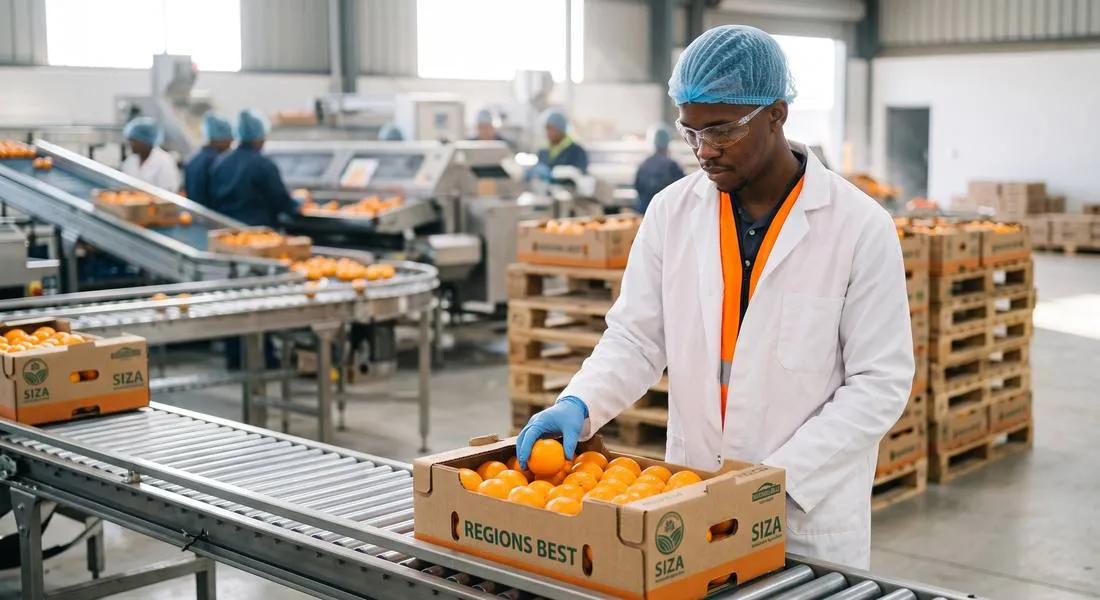
A food factory already measures most of what ISO 14001 wants: water use, effluent, waste, refrigerant gas, energy and packaging. FSSC 22000 Version 7 expects food loss and waste records. Retailers ask for carbon and packaging data. King V asks boards to govern environmental risk. ISO 14001 turns those scattered records into one system a certification body can audit.
What the module holds
- Environmental aspects and impacts register, scored and reviewed on a schedule
- Legal and other requirements register, with NEMA, waste, water use and air quality licences and permit conditions
- Objectives, targets and programmes with owners and due dates that escalate when missed
- Monitoring of water, energy, effluent, waste and refrigerants, entered on a phone or fed from meters where integrated
- Emergency preparedness, spills and environmental incidents with corrective action
- Climate-related risks in the context review, as the 2026 edition expects
One audit, three standards
ISO 9001:2026, ISO 14001:2026 and ISO 45001 share the Harmonized Structure. In ASCloud one internal audit programme, one management review and one corrective action register serve all three, with each record mapped to the clauses it evidences. See the integrated management system page.
Sources: DQS, ISO 14001:2026 revision (publication 15 April 2026, transition to 30 April 2029). ISO, ISO 9001:2026.
Questions we get asked
Has ISO 14001:2026 been published?
Yes. ISO published ISO 14001:2026 on 15 April 2026, after the final draft of 5 January 2026. Certified organisations have until 30 April 2029 to transition from ISO 14001:2015.
What changed in ISO 14001:2026?
The 2026 edition puts more weight on climate change, greenhouse gas emissions, resource scarcity and the circular economy, adds a clause on planning changes, sets clearer rules for documented information and follows the Harmonized Structure shared with ISO 9001:2026 and ISO 45001.
What does the ISO 14001 module cost?
ISO 14001:2026 on its own runs for R3,800 per site per month. As part of an integrated management system with ISO 9001 or ISO 45001 it starts at R7,500 for the combination. Added to an existing ASCloud food safety plan, the figure is set on your written quote, below the standalone price.
Does a food factory need ISO 14001?
Not by law, but retailers, export customers and lenders increasingly ask for environmental evidence, and FSSC 22000 Version 7 already expects food loss and waste and environmental monitoring records. ISO 14001 organises the same evidence into a certifiable system.
Environment, quality, safety and food safety, one login.
See the integrated system in a 20-minute demo.
Book a 20-minute demo Build your package Reviewed by Mthokozisi Nkosi, FSSC 22000 and BRCGS Lead Auditor and founder of ASC Food Safety Consultants. Updated 3 October 2026.
The record exists. Now it can be found.
Twenty minutes online, your standard loaded before the call, your own last audit findings shown inside the system. Setup by lead auditors, live in five working days, with every price published before you commit.